Loading...
Serving Fontana, CA and surrounding areas. (909) 738-1647
Onestop Fontana Concrete builds retaining walls, driveways, patios, and slab foundations for Colton homeowners. Most homes in Colton were built between the 1940s and 1980s - and original concrete flatwork from that era, sitting on shifting alluvial and clay soils with years of Inland Empire heat, is typically overdue for attention. We have been working in these conditions long enough to know what proper base preparation actually requires to build concrete that holds up here.
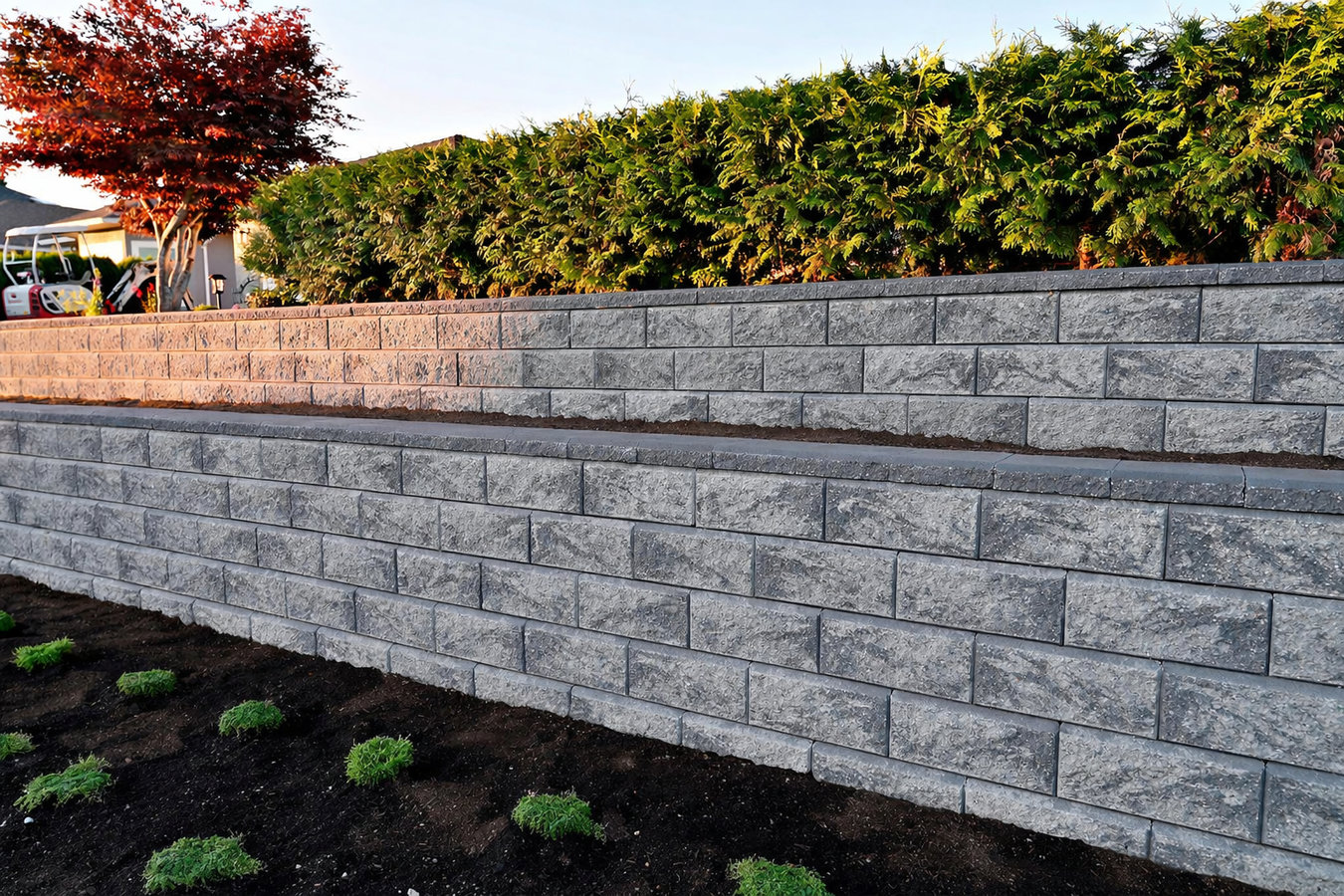
Properties on the northern edge of Colton, where the terrain begins rising toward the foothills, often deal with sloped lots that erode after winter rains. A concrete retaining wall stops that soil movement and creates flat, usable yard space. In Colton's clay and alluvial soils, drainage behind the wall is not optional - water that builds up against the concrete is the most common reason retaining walls fail within a few years of installation. Read more about our concrete retaining wall services.
Colton's ranch-style homes typically have a concrete driveway as the most visible part of the property - and on lots that are smaller than average, a cracked or sunken driveway is hard to ignore. Heavy truck traffic from the city's nearby logistics corridor adds road vibration that accelerates wear on driveways close to those routes. When cracking and surface breakdown have progressed past what patching can fix, a full replacement with a properly prepared base and correct control joint spacing is the right solution.
Colton's modest lot sizes mean the backyard patio is often the primary outdoor space a family has. A concrete patio turns a dirt or gravel yard into a usable surface that holds up through summer heat and winter rains. Proper drainage slope away from the home is especially important on Colton's smaller lots, where water has fewer places to go - standing water next to a foundation is a problem we build against from the start.
Colton's single-family homes are overwhelmingly slab-on-grade construction. When homeowners add an ADU, convert a garage into living space, or build a detached structure, a new slab needs to go down first. Colton's soil mix - part alluvial, part expansive clay - requires careful compaction, a gravel drainage layer, and the right reinforcement to prevent the cracking and shifting that is common on older flatwork throughout the city.
Sidewalk sections in Colton's older neighborhoods have been through decades of seasonal soil movement, and many have lifted or settled enough to create trip hazards. Because lots are small and homes sit close to the street, a damaged sidewalk panel is often the first thing a visitor notices. We repair and replace walkway sections to city code with the correct cross-slope for drainage, keeping them level as the ground goes through wet and dry cycles year after year.
Block walls, pergolas, and fences throughout Colton need footings that reach below the active soil layer - the zone that expands and contracts with every wet and dry cycle. Shallow footings are the most common reason fences lean and garden walls crack in this area after only a few seasons. We pour footings sized for your structure and local soil conditions, so the post stays plumb for years rather than months.
Colton is a compact city of about 54,000 people in San Bernardino County, and its housing stock tells the story of its postwar growth. The bulk of Colton's homes were built between the 1940s and the 1980s - single-story ranch-style houses on slab-on-grade foundations with concrete driveways, front walkways, and small to mid-sized lots. On properties like these, the driveway and front flatwork cover a large share of the visible outdoor space. When concrete is cracked, sunken, or stained, it affects the look of the entire property - there is no hiding it behind a lawn. And because so many of these homes have never had their original concrete replaced, the flatwork has been working against this city's conditions for 40 to 70 years.
Those conditions are demanding. Colton summers regularly push above 100 degrees from June through September, and the soil beneath most properties is a mix of sandy alluvial material and expansive clay - two soil types that behave differently under a slab but both create problems over time. The clay pockets swell when wet and shrink when dry, creating upward and lateral pressure against anything built on them. Add the constant low-level vibration that comes from living near one of the busiest rail intersections in the country - the BNSF Colton Crossing runs through the middle of the city - and homes near the rail corridor have had decades of vibration working against their foundations and flatwork. The California Geological Survey's expansive soils data confirms that much of the Inland Empire - including Colton - sits in a zone where soil movement is an ongoing design consideration for any concrete work.
Our crew pulls permits through the City of Colton Building Division on a regular basis and is familiar with their permit requirements for driveway replacement, retaining walls, and flatwork. That familiarity with what the city's review process expects - including when an engineer's stamp is required for taller walls - helps keep projects moving without the back-and-forth that can delay a job by weeks.
Colton is a mostly flat city, but the northern edge rises toward the foothills. Homes near Arrowhead Regional Medical Center - one of the city's most recognized landmarks and one of San Bernardino County's largest employers - sit in a part of Colton where drainage and grading around concrete flatwork matter more than they do on the flat valley floor. Streets throughout the city are well-established, and the older neighborhoods closer to downtown have some of the most heavily worn concrete we see anywhere in the Inland Empire.
We serve neighboring San Bernardino to the north and east, where the aging housing stock and soil conditions are closely related to what we see in Colton every day. We also work regularly in Rialto to the west, where the clay soil profile and postwar home inventory are nearly identical to Colton's.
Reach out by phone or through the contact form and we respond within one business day. We schedule a free on-site visit to Colton to measure the area, assess soil and drainage conditions, and understand exactly what is needed before we give you a price.
After the site visit you receive a written estimate that breaks out labor, materials, and permit fees - no surprises after work starts. Once you approve it, we file for the required city permit. Permit review in Colton typically takes one to three weeks depending on project type.
The crew removes the existing surface, grades and compacts the base, and lays gravel and reinforcement. Pours are scheduled for early morning in summer to avoid the worst of the afternoon heat. For Colton's mixed soil conditions, we use the right base depth and control joint spacing for your specific property.
Keep vehicles off a new driveway for at least seven days. We coordinate the city inspection, and you receive the signed permit records when the job closes. We walk the finished work with you before leaving and explain what to watch for in the first rainy season.
We serve all of Colton, from the older neighborhoods near downtown to the ranch homes out toward the foothills. Free on-site estimates, permits handled, and a written quote before any work starts.
(909) 738-1647Colton is a city of about 54,000 people in San Bernardino County, sitting at the geographic center of the Inland Empire. The city grew up around the railroad, and the BNSF Colton Crossing - one of the busiest rail intersections in the United States - still runs through the middle of the city today. The housing stock is predominantly single-story ranch homes built between the 1940s and the 1980s, with a mix of smaller apartment complexes and duplexes scattered throughout residential neighborhoods. Lots are typically modest in size - under a quarter acre - which means the driveway, sidewalk, and front walkway cover a large share of the visible property. Stater Bros., the Southern California grocery chain, is headquartered in Colton and is one of the city's most recognized local institutions.
Colton sits on mostly flat valley floor, but the northern edge of the city rises toward the foothills of the San Bernardino Mountains. The Santa Ana River runs along the city's southern boundary. The city is surrounded by the Inland Empire's major logistics and warehousing corridor, which means heavy truck traffic on local roads - adding wear to driveways, curbs, and street-adjacent concrete over time. To the north, San Bernardino shares Colton's postwar housing patterns and clay soil conditions, while to the west, Rialto has a nearly identical housing inventory and the same seasonal soil movement challenges that make proper base preparation critical for any concrete work in this part of the valley.
Durable, professionally poured concrete driveways built to last.
Learn moreSafe, level sidewalks installed to code for residential and commercial properties.
Learn moreStrong garage floor concrete designed to handle heavy vehicles and daily use.
Learn moreSolid retaining walls engineered to control erosion and manage slopes.
Learn moreSmooth, level concrete floors for homes, warehouses, and commercial spaces.
Learn moreSlip-resistant, attractive pool deck surfaces built for comfort and safety.
Learn moreSturdy concrete steps crafted for curb appeal and long-term durability.
Learn moreExpertly poured slab foundations providing a strong base for any structure.
Learn moreComplete foundation installation services for new construction projects.
Learn moreCommercial-grade concrete parking lots built for high traffic and longevity.
Learn moreProperly engineered concrete footings to support fences, walls, and structures.
Learn moreFoundation raising solutions that restore level and structural integrity.
Learn morePrecision concrete cutting for modifications, repairs, and new installations.
Learn moreServing these cities and communities.
From cracked driveways to new retaining walls, Onestop Fontana Concrete gives Colton homeowners a free on-site estimate and a written quote before any work begins.