Loading...
Serving Fontana, CA and surrounding areas. (909) 738-1647
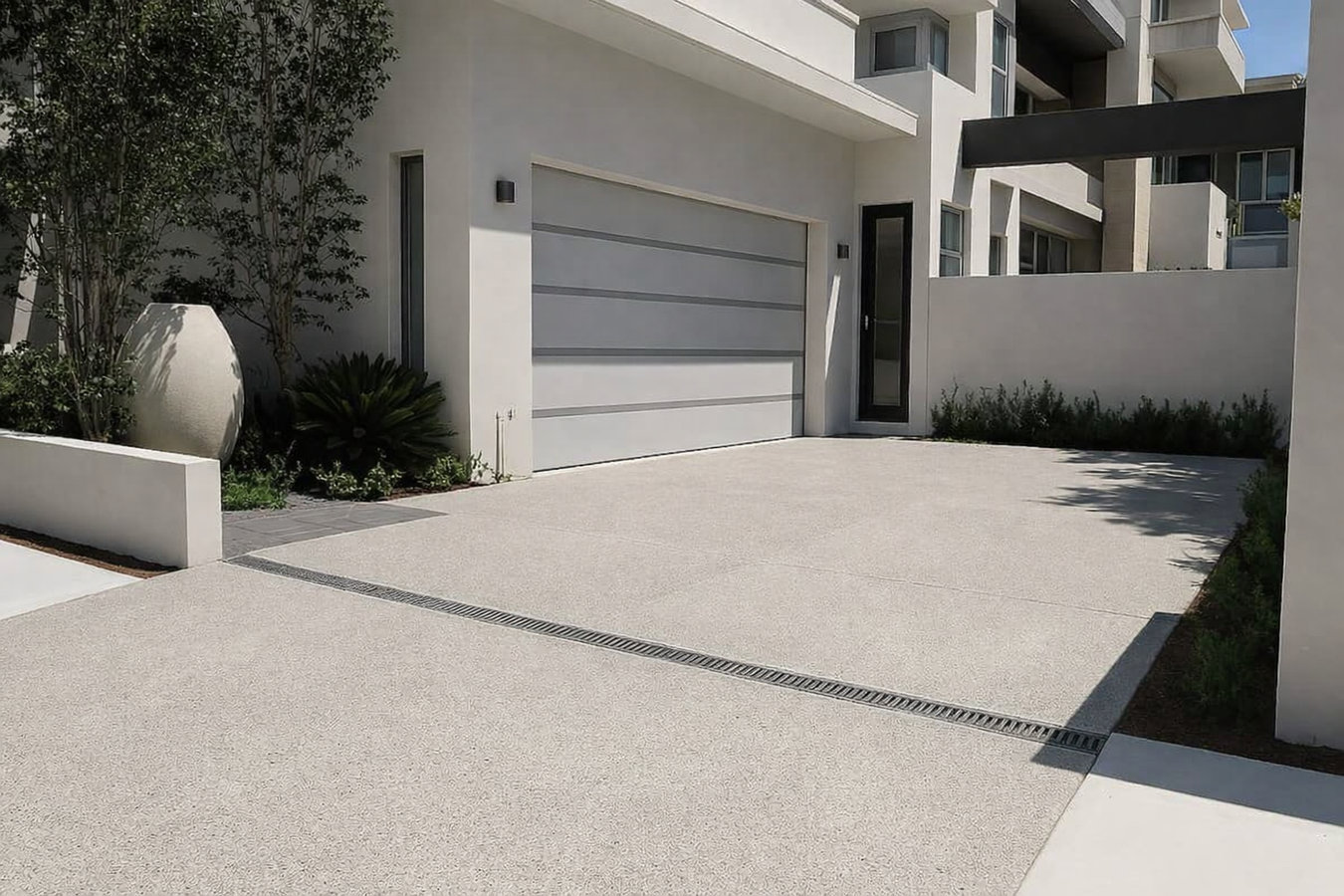
Onestop Fontana Concrete builds concrete driveways, patios, and retaining walls for Rancho Cucamonga homeowners. Most homes in the city were built between the late 1970s and mid-1990s on clay-heavy Inland Empire soils - and that combination of age and soil type is exactly what causes driveways to crack, patios to heave, and concrete flatwork to fail early. We pull permits through the City of Rancho Cucamonga and know what base preparation these properties actually need.
The bulk of Rancho Cucamonga's housing stock was built between the late 1970s and mid-1990s, and most of those original driveways are now 30 to 45 years old. That age, combined with the clay soil movement and summer heat that work on every slab in the Inland Empire, means a large number of driveways in this city are at or past the point where patching stops making sense. We build replacement driveways with the base depth and pour timing that Rancho Cucamonga's conditions actually demand. Read more about concrete driveway building.
Rancho Cucamonga averages around 287 sunny days per year, which makes a backyard patio genuinely useful for most of the year - not just a few months. Homes built in the 1980s often have original patio slabs that have heaved or cracked from decades of clay soil movement. A new patio poured on a properly compacted base and correctly reinforced for Inland Empire soil conditions gives a Rancho Cucamonga homeowner a flat, usable outdoor surface that holds up through wet winters and dry summers.
Many Rancho Cucamonga neighborhoods - particularly those with active HOAs - require exterior work to match or complement the existing home aesthetic. Stamped concrete is typically accepted by most local homeowners associations and delivers a decorative finish at a lower cost than natural stone or individual pavers. In the intense UV environment here, a properly sealed stamped surface holds its color through years of sun exposure that would fade an unsealed plain slab noticeably faster.
The Alta Loma and Etiwanda sections of northern Rancho Cucamonga sit on larger lots with more varied terrain than the flatter tracts to the south - and some of those hillside properties have slopes where soil creep and erosion are real concerns after heavy rain. Concrete retaining walls provide structural strength that timber or block systems cannot match on steeper slopes, and they protect the foundation from the kind of lateral soil pressure that builds up on clay-heavy hillside lots.
Fences, pergolas, block walls, and outbuildings across Rancho Cucamonga need footings that extend below the active clay layer to stay plumb and stable as the soil moves through wet and dry seasons. Shallow footings are the most common reason fences lean and block walls crack in this area within a few years of installation. We dig and pour footings sized for each specific structure and soil profile, not a generic depth that may not reach stable ground on a particular Rancho Cucamonga lot.
Rancho Cucamonga homeowners adding ADUs, detached garages, or room additions need a slab foundation engineered for local soil conditions. Homes in the Alta Loma and Etiwanda areas on larger lots may have different soil profiles than those in the flatter southern tracts, and city permit requirements apply to new foundations regardless of size. We build slabs with the reinforcement, drainage, and base preparation that Rancho Cucamonga's clay soils and building department requirements call for.
Rancho Cucamonga was incorporated in 1977 and grew fast through master-planned subdivisions built mostly between the late 1970s and mid-1990s. That means a large share of the city's housing stock - the single-family homes that make up about 65 to 70 percent of all units - is now 30 to 45 years old. That is the age range where roofs, HVAC systems, and concrete flatwork all start reflecting the quality of the original installation. Driveways poured in the 1980s were built on base layers that may have been adequate then but have had decades of clay soil movement working against them. Patios, walkways, and pool decks from that same era have been through hundreds of wet-dry cycles that expand and contract the soil underneath. By the time most Rancho Cucamonga homeowners call, the slab has already been fighting those conditions for a generation.
The city's position at the base of the San Gabriel Mountains shapes conditions in specific ways. The northern foothills sections - historically called Alta Loma and Etiwanda - sit at higher elevations with larger lots, mature trees, and in some pockets, horse properties with original concrete work from the 1960s. Those areas deal with different drainage patterns than the flatter southern tracts near the I-10 freeway. The clay soils common throughout the Inland Empire are well-documented - they expand significantly when wet and shrink and crack when dry, and that cycle repeats every year between winter rains and summer heat. Santa Ana wind events in fall can gust over 60 mph, causing impact damage and accelerating surface drying on freshly poured work. All of these factors mean that base preparation decisions, slab thickness, and pour timing have a larger effect on long-term performance in Rancho Cucamonga than they would in a milder climate.
Our crew pulls permits through the City of Rancho Cucamonga Building and Safety Department on a regular basis. We know what documentation the city expects for driveway replacement, new flatwork, and foundation permits - including the HOA approval letters that some neighborhoods require before the city will issue a permit. That familiarity with the dual approval process means homeowners are not caught off guard by delays.
Rancho Cucamonga covers a wide range of terrain and housing. Homes in the southern parts of the city, near Victoria Gardens and the I-10 corridor, tend to be newer planned subdivision houses with smaller lots and active HOAs. The northern foothills sections below Cucamonga Peak - in Alta Loma and Etiwanda - have larger lots with older trees, steeper grades, and in some cases original concrete work from the 1960s and early 1970s. Both types of projects come up regularly in our Rancho Cucamonga work. Historic Route 66, which runs along Foothill Boulevard through the city, cuts through some of the older established neighborhoods where homes often have the most aged flatwork.
We also serve neighboring Upland - directly to the west along Foothill Boulevard - where the housing stock and soil conditions closely mirror what we see in the western sections of Rancho Cucamonga. Homeowners near the shared boundary between the two cities regularly call us for projects on both sides of the line.
Call or submit the contact form and tell us what you are working on. We respond to every Rancho Cucamonga inquiry within one business day. A site visit is always required before we provide a price - every Rancho Cucamonga property has its own soil conditions, grade, and access that affects scope.
We visit the property, assess the existing surface, grade, and soil conditions, and check whether HOA approval is needed alongside the city permit. The written quote specifies slab thickness, base preparation, and all fees - including permit costs. We discuss pricing on this visit so there are no surprises after work begins.
We pull the city permit and, where required, coordinate HOA submission. On pour day - scheduled for early morning during warm months to avoid the intense afternoon heat - the crew removes the old surface, compacts the base to the required depth, and pours the concrete with correctly spaced control joints.
The surface is kept moist during the curing window - especially critical in Rancho Cucamonga's dry summer heat. We schedule the city inspection without requiring you to be present. Once the inspection passes, we walk you through the finished surface and give you simple care instructions for the first 30 days.
We serve all of Rancho Cucamonga - from the Alta Loma foothills to the neighborhoods near Victoria Gardens. Response within one business day.
(909) 738-1647Rancho Cucamonga is one of the larger cities in San Bernardino County, with a population of about 177,000 people. It sits along the I-15 and I-10 freeways at the base of the San Gabriel Mountains, and the dramatic backdrop of Cucamonga Peak is visible from most of the city. The city incorporated in 1977 and grew quickly through master-planned residential development, which means the housing stock is heavily concentrated in the 1978 to 1995 construction era - most of it single-family homes on lots of 6,000 to 10,000 square feet with attached two-car garages and concrete driveways. About 65 percent of units are owner-occupied, and median home values are well above the national average, which means residents have a real financial stake in keeping their properties in good shape. The northern sections of the city - historically called Alta Loma and Etiwanda - were developed earlier and have larger lots, mature trees, and in some pockets horse properties. Rancho Cucamonga, California is also known for Victoria Gardens - the city's large open-air entertainment and retail center - and for its section of historic Route 66 along Foothill Boulevard.
For concrete work, what defines Rancho Cucamonga is the combination of 30 to 45 year old tract home concrete sitting on expansive clay soil in a hot, dry climate. That is exactly the set of conditions where proper base preparation and pour timing separate a driveway or patio that holds up from one that starts cracking within a few years. Adjacent Upland to the west shares the same soil profile and housing era, and we work across both cities regularly. Fontana, our home base to the east, is also on the same Inland Empire clay with similar conditions - so our crew is well-acquainted with the specific demands of this part of Southern California.
Durable, professionally poured concrete driveways built to last.
Learn moreSafe, level sidewalks installed to code for residential and commercial properties.
Learn moreStrong garage floor concrete designed to handle heavy vehicles and daily use.
Learn moreSolid retaining walls engineered to control erosion and manage slopes.
Learn moreSmooth, level concrete floors for homes, warehouses, and commercial spaces.
Learn moreSlip-resistant, attractive pool deck surfaces built for comfort and safety.
Learn moreSturdy concrete steps crafted for curb appeal and long-term durability.
Learn moreExpertly poured slab foundations providing a strong base for any structure.
Learn moreComplete foundation installation services for new construction projects.
Learn moreCommercial-grade concrete parking lots built for high traffic and longevity.
Learn moreProperly engineered concrete footings to support fences, walls, and structures.
Learn moreFoundation raising solutions that restore level and structural integrity.
Learn morePrecision concrete cutting for modifications, repairs, and new installations.
Learn moreServing these cities and communities.
Call us or send a message online and we will respond within one business day with a site visit and written estimate for your project.